In an era defined by rapid communication and constant connectivity, effective listening is often overlooked. However, mastering the art of listening can be a game-changer in both personal and professional environments. Enter listening skills classes—a transformative resource designed to enhance your communication abilities. In this article, we’ll explore the importance of listening skills, the benefits of these classes, what to expect from them, and how to choose the right program for your needs.
Understanding the Importance of Listening Skills
Listening is more than merely hearing words; it’s an active process that requires focus and engagement. Effective listening promotes understanding, builds trust, and strengthens relationships, making it a crucial skill in any context—be it in the workplace, at home, or in social situations.
Why Listening Matters
- Improves Relationships: Good listeners create a safe space for others to express themselves, fostering deeper connections.
- Enhances Problem-Solving: When you listen attentively, you gather crucial information that can lead to more effective solutions.
- Increases Productivity: In the workplace, clear communication fueled by good listening can lead to more efficient teams.
The Cost of Poor Listening
Failing to listen can have significant consequences. Misunderstandings, conflicts, and lowered morale are just a few of the repercussions that can arise from ineffective listening. By enrolling in listening skills classes, you can avert these pitfalls and harness the full potential of communication.
Benefits of Listening Skills Classes
Investing time in listening skills classes can offer a multitude of benefits. Let’s delve deeper into what these courses can provide.
1. Enhanced Focus and Concentration
In today’s digitized world, distractions are abundant. Listening skills classes teach you techniques to improve your focus, ensuring that you can listen attentively without losing the thread of the conversation.
2. Better Emotional Intelligence
Listening isn’t just about hearing words; it’s also about interpreting emotions and non-verbal cues. These classes often cover emotional intelligence, enabling you to understand others better and respond appropriately.
3. Conflict Resolution
Many conflicts can be traced back to poor communication. By honing your listening skills, you can diffuse tense situations and facilitate smoother interactions.
4. Professional Growth
In today’s competitive job market, possessing strong communication skills sets you apart. Employers highly value candidates who can listen well and engage in constructive dialogue, making listening skills classes a solid investment in your future.
5. Lifelong Skills
Listening is a skill that benefits you in various aspects of life, from personal relationships to career advancements. The insights gained from these classes can serve you well for years to come.
What to Expect from Listening Skills Classes
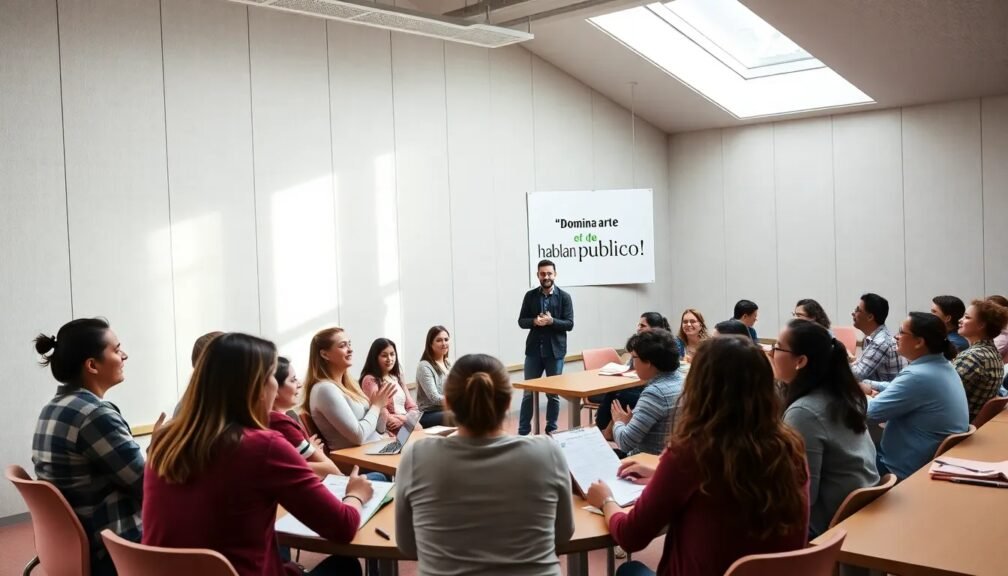
When you enroll in a listening skills class, you can anticipate a structured curriculum designed to improve your abilities. Here’s what you can typically expect:
Course Structure
Courses often combine theoretical content with practical exercises, allowing you to apply what you learn in real-world scenarios.
-
Active Listening Techniques: These techniques focus on fully concentrating on the speaker. You’ll learn how to respond appropriately and summarize conversations to confirm understanding.
-
Empathy Development: Understanding the emotions behind the words is key to effective listening. You will participate in exercises that teach you to read body language and tone of voice.
-
Feedback Mechanisms: You’ll learn how to give and receive feedback constructively, promoting open communication.
-
Role-Playing Scenarios: Many classes incorporate role-playing, allowing participants to practice listening skills in a safe and supportive environment.
Duration and Format
Classes vary in length and format. Some are intensive weekend workshops, while others may span several weeks. Online classes have also gained popularity, offering flexibility for those with busy schedules.
Experienced Instructors
Most listening skills classes are led by instructors with extensive backgrounds in communication and interpersonal skills. Their insights can provide invaluable context to the lessons you learn.
How to Choose the Right Listening Skills Class
Finding the right class for you can feel overwhelming, given the multitude of options. Here are some tips to guide your decision-making process:
Identify Your Goals
Consider what you hope to achieve through the class. Are you looking to improve personal relationships, enhance your career prospects, or simply become a better communicator? This clarity will help narrow your options.
Research Course Content
Look for classes that cover the topics you find most relevant. Read course descriptions and reviews to ensure they align with your objectives.
Instructor Credentials
Investigate the backgrounds of the instructors. A knowledgeable facilitator can make a significant difference in your learning experience.
Ask for Recommendations
Talk to friends, colleagues, or mentors who have taken similar courses. Their experiences can help you gauge the quality and effectiveness of different programs.
Consider Logistics
Pay attention to class duration, schedule, and format. If convenience is a priority, online classes might be the best fit for you.
Frequently Asked Questions about Listening Skills Classes
1. How long does it take to see improvements in my listening skills?
Improvements can vary by individual, but many participants report noticeable changes after just a few sessions.
2. Are online courses as effective as in-person classes?
Online courses can be highly effective, especially if they incorporate interactive elements such as breakout rooms or live discussions.
3. Can listening skills be learned by anyone?
Absolutely! Listening is a skill that can be developed with practice, dedication, and the right guidance.
4. Are there any exercises I can do at home to improve my listening?
Yes! Simple practices like summarizing conversations, maintaining eye contact, and minimizing distractions can enhance your listening skills.
Conclusion: Take the First Step
Mastering listening skills is a journey that can lead to profound changes in your life. Whether you’re looking to improve relationships, enhance your career, or simply become a more effective communicator, enrolling in listening skills classes is an impactful first step.
Actionable Insights
- Research Classes: Take the time to explore available listening skills classes in your area or online.
- Set Clear Goals: Determine what you want to achieve from the course.
- Practice Daily: Apply learned techniques in everyday conversations to gain confidence.
- Seek Feedback: Reach out to friends or colleagues to assess your improvements.
Start your journey toward becoming a better listener today and watch how effective communication transforms your personal and professional interactions!