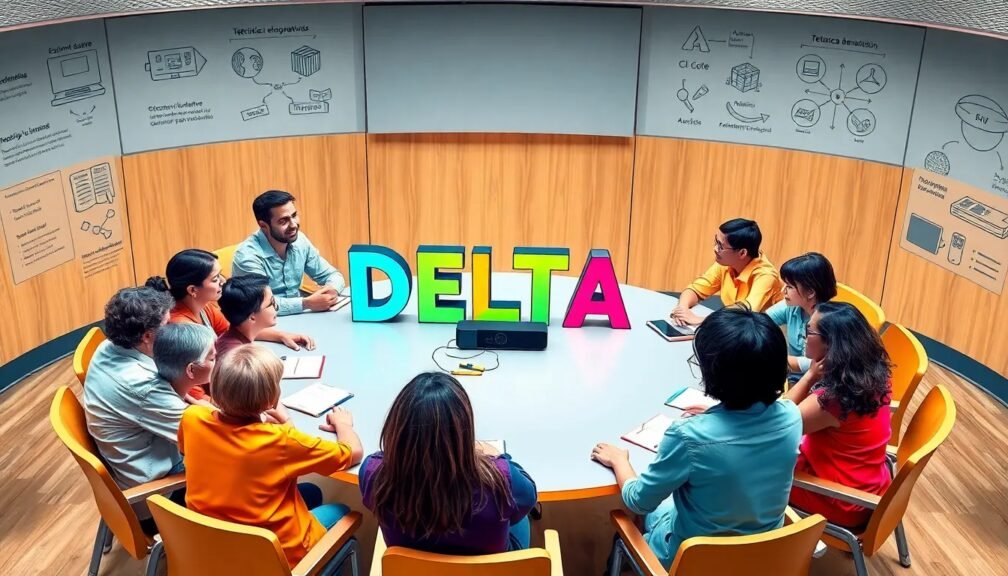
In our increasingly globalized world, communication is more vital than ever. The ability to speak another language not only opens up professional opportunities but also enriches personal experiences and cultural understanding. Language workshops are a dynamic, engaging way to explore new languages, dive into diverse cultures, and connect with people from around the globe. This article delves into the significance of language workshops, the benefits they offer, and how you can make the most of your experience.
The Rise of Language Workshops
As interest in global communication grows, so too does the popularity of language workshops. No longer confined to traditional classroom settings, these interactive sessions offer a unique approach to language learning. By combining cultural elements with practical language skills, participants can enjoy a comprehensive learning experience.
What Are Language Workshops?
Language workshops are structured sessions that focus on teaching a specific language through immersive techniques. These can include conversation practice, cultural activities, and real-world scenarios. Workshops typically cater to various skill levels, making them accessible to beginners and advanced learners alike.
The Different Types of Language Workshops
Language workshops come in various forms, each with its own focus and style. Here are some common types:
-
Conversational Workshops: These sessions prioritize speaking and listening skills, often through role-playing, discussions, and games. They aim to build confidence in real-world conversations.
-
Cultural Immersion Workshops: These workshops incorporate cultural elements, such as cuisine, music, and customs, to enrich the language-learning experience. Participants not only learn how to speak but also understand the context behind the language.
-
Thematic Workshops: These focus on specific topics, such as travel, business, or literature, allowing participants to acquire vocabulary and language structures relevant to their interests.
-
Online Workshops: With advancements in technology, many language workshops have shifted online, making them accessible to a broader audience. Virtual platforms enable participants worldwide to connect and learn collaboratively.
The Benefits of Participating in Language Workshops
Participating in language workshops offers countless advantages that extend beyond mere vocabulary acquisition. Here are some compelling reasons to consider joining a workshop.
1. Immersive Learning Experience
Language workshops create a space for immersive learning. Instead of just memorizing words and grammar rules, participants engage in activities that bring language to life. This practical exposure helps solidify comprehension and fosters a more natural acquisition of speech.
2. Enhanced Cultural Awareness
One of the standout benefits of language workshops is their emphasis on culture. Understanding a language is inherently tied to understanding its culture. By partaking in discussions about customs, traditions, and societal norms, learners develop a deeper appreciation for the language and its speakers.
3. Networking Opportunities
Language workshops often attract individuals from diverse backgrounds, providing valuable networking opportunities. Participants can make lasting connections, share experiences, and even create friendships that cross international borders.
4. Boosted Confidence
Speaking a new language can be daunting. Workshops create a supportive environment where learners can practice without the fear of judgment. This encouragement helps participants gain confidence in their speaking abilities, which is essential for language mastery.
5. Tailored Learning Approaches
Many language workshops are designed with individual learning styles in mind. Participants can benefit from personalized attention and guidance, catering to their specific needs and goals. This flexibility is particularly beneficial for those who may struggle in more rigid educational settings.
How to Choose the Right Language Workshop
With a plethora of options available, finding the right language workshop can be overwhelming. Here are some tips to help guide your decision-making process:
1. Identify Your Goals
Consider what you hope to achieve from the workshop. Are you looking to improve conversational skills, gain cultural insights, or focus on a specific topic? Identifying your goals will help you choose a workshop that aligns with your aspirations.
2. Research the Instructor’s Qualifications
A skilled instructor can make all the difference in your learning experience. Research their qualifications, experience, and teaching style to ensure they align with your preferred learning approach.
3. Read Reviews and Testimonials
Feedback from previous participants can provide insight into the workshop’s effectiveness. Look for reviews and testimonials to gauge the overall satisfaction of past attendees.
4. Consider the Class Size
Smaller workshops often allow for more personalized attention, while larger workshops can provide a more dynamic group environment. Consider your comfort level and preferred learning style when choosing class size.
5. Explore the Format
If you’re opting for an online workshop, consider the platform and format. Look for interactive sessions that include opportunities for speaking practice, as well as engaging activities to keep you motivated.
Making the Most of Your Language Workshop Experience
Once you’ve chosen a language workshop, there are several strategies you can implement to maximize your experience.
1. Be Open-Minded
Cultivating an open mind will enhance your learning experience. Embrace new ideas, perspectives, and cultural practices. This mindset can deepen your understanding of the language and its speakers.
2. Engage Actively
Take an active role in discussions, activities, and exercises. Ask questions, contribute your thoughts, and participate fully in the workshop. Engaging actively will help reinforce your learning.
3. Practice Outside of the Workshop
Supplement your learning by practicing outside the workshop environment. Try to engage in conversations with native speakers, listen to music, watch films, or read books in the language you’re learning.
4. Connect with Fellow Participants
Building relationships with other attendees can lead to valuable language practice. Form study groups or find language exchange partners to continue practicing outside the workshop.
5. Set Realistic Expectations
Language learning is a journey. Set realistic expectations for yourself, and be patient with your progress. Celebrate small milestones along the way to stay motivated.
Conclusion: Unlock New Cultures Through Language Workshops
Language workshops are a gateway to new cultures, facilitating connections and enriching personal experiences. By participating in these dynamic sessions, you not only learn to communicate in another language but also embrace the beauty of cultural diversity.
As you explore language workshops, keep in mind the tips outlined in this article. Set goals, choose the right workshop, and actively engage in the learning process. Whether you’re a beginner or an advanced learner, there has never been a better time to embark on your language-learning journey. So, uncover new cultures, make lasting connections, and most importantly, enjoy the adventure of learning a new language!