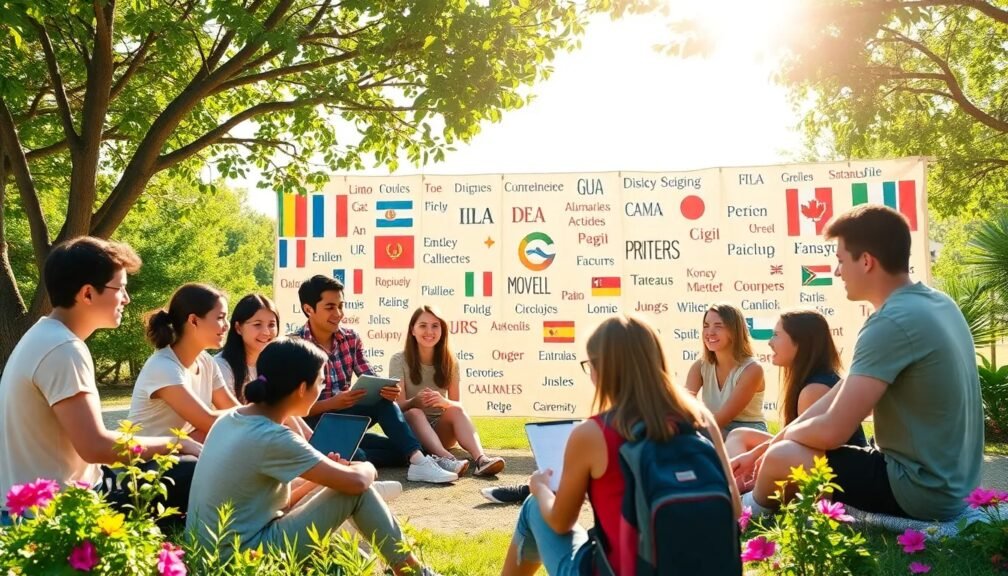
In an increasingly interconnected world, the ability to communicate in multiple languages is more than just a valuable skill; it’s a necessity. Language summer camps offer a unique opportunity for students to immerse themselves in a new language while enjoying the excitement of summer activities. These camps serve as an exceptional platform to develop language proficiency, cultural understanding, and social skills. In this article, we’ll delve into the many benefits of language summer camps and why they can be a life-changing experience for both kids and teens.
What Are Language Summer Camps?
Language summer camps are immersive educational programs that support language learning through a blend of formal classes and experiential activities. These camps not only teach grammar and vocabulary but also emphasize conversational skills and cultural nuances. Organizations may offer camps focused on a single language, such as Spanish or French, or multi-language camps where students can explore various languages.
The Variety of Camp Formats
-
Residential Camps: These camps often take place in picturesque surroundings and require participants to stay overnight. They provide an immersive environment where campers speak the target language both in and outside the classroom.
-
Day Camps: Ideal for younger children or those who may not yet be ready for overnight stays, day camps offer language instruction during the day while allowing children to return home each night.
-
Online Camps: With advancements in technology, many camps now offer virtual programs that allow participants to learn from the comfort of their homes. These are often structured to maintain an engaging atmosphere through interactive activities and virtual field trips.
Benefits of Language Summer Camps
1. Immersion in Language
One of the principal advantages of language summer camps is immersion. Unlike traditional classroom settings, where interactions may be limited, summer camps create an environment where young learners continuously engage in the target language. From morning greetings to evening activities, campers are encouraged to speak and think in the language, enhancing fluency and confidence.
2. Cultural Exposure
Language learning is about more than just words; it involves understanding the culture behind those words. At language summer camps, students participate in cooking classes, art projects, and cultural celebrations that expose them to customs and traditions associated with the language they are learning. This holistic approach fosters a deeper appreciation and connection to the language.
3. Making Friends
Building friendships is an essential part of any summer camp experience. Language summer camps provide a unique opportunity for participants to meet peers from various backgrounds, enabling social interactions in the target language. These friendships often extend beyond camp, providing additional practice and fostering lifelong connections across cultural boundaries.
4. Boosting Confidence
Learning a new language can be intimidating. The supportive environment of language summer camps encourages campers to practice their skills without the fear of making mistakes. This nurturing atmosphere builds confidence and empowers students to express themselves more freely in the target language.
What to Expect at Language Summer Camps
Daily Routines
Each day at a language summer camp typically includes a balanced schedule of language classes and recreational activities. Morning sessions may focus on vocabulary, grammar, and conversational practice, while afternoons might offer fun activities, such as sports or art, all conducted in the target language.
Language Levels
Camps cater to various language proficiency levels—from complete beginners to advanced speakers. Assessments are often conducted before the camp starts to ensure students are placed in appropriate classes, allowing for more effective learning.
Qualified Instructors
Most language summer camps employ qualified teachers who are not only experienced in language instruction but also well-versed in engaging students. Many instructors are native speakers, providing campers with authentic language experiences.
How to Choose the Right Language Summer Camp
Camp Focus
Consider what language you want to learn and whether you’re looking for a specific cultural experience. Some camps might specialize in less common languages, while others focus on widely spoken tongues. Identify what aligns best with your or your child’s interests.
Location
The location of the camp can have a significant impact on the experience. Some students may prefer a picturesque rural setting, while others may enjoy more urban environments. Additionally, for residential camps, consider travel logistics and safety.
Reviews and Testimonials
Researching reviews and testimonials from previous campers is an excellent way to gauge the quality of a camp. Look for feedback on instructor quality, activities, and overall experience to ensure you choose a reputable program.
Budget Considerations
Language summer camps can vary widely in cost. Determine your budget and what’s included in the camp fee—some camps cover meals and activities, while others may have additional charges.
The Role of Parents
As a parent, it’s essential to ensure that your child is prepared for this exciting new experience. Here are some actionable insights for parents:
-
Encourage Interest: Discuss with your child the benefits of learning a new language. Encourage them to express their interest and preferences regarding languages and cultures.
-
Plan Ahead: Research various camps early in the year as summer slots can fill quickly. Ensure you understand the application process and deadlines.
-
Set Realistic Goals: Discuss what your child hopes to achieve at the camp, whether it’s achieving conversational fluency, making new friends, or simply having fun.
-
Stay Engaged: Take an interest in your child’s journey. Ask about their daily activities and learning progress. Engaging in conversations about what they are experiencing can foster their enthusiasm and understanding.
-
Support Their Learning: Encourage practice at home. Reading books, watching movies, or listening to music in the target language can help reinforce what they learn at camp.
Conclusion: Embrace the Adventure
Language summer camps present an enriching opportunity for personal growth and lifelong skills. They not only teach language proficiency but also cultivate social skills, broaden worldviews, and spark curiosity about other cultures. Whether your child is a budding linguist or simply curious about a new culture, a language summer camp can unlock doors to new skills and friendships.
As you plan for a language summer camp, focus on the aspects that align best with your or your child’s interests and goals. Remember, the journey of language learning is not just about mastering vocabulary; it’s about exploring a new world. So dive in, and let the summer of linguistic exploration begin!