In a world increasingly driven by global connections, the ability to communicate in multiple languages is a significant asset. Among various methods of language learning, language immersion stands out as one of the most effective approaches. By fully immersing oneself in a language and its culture, learners can rapidly develop fluency and comprehension. This article will explore how language immersion works, its benefits, and practical strategies to implement it in everyday life.
What is Language Immersion?
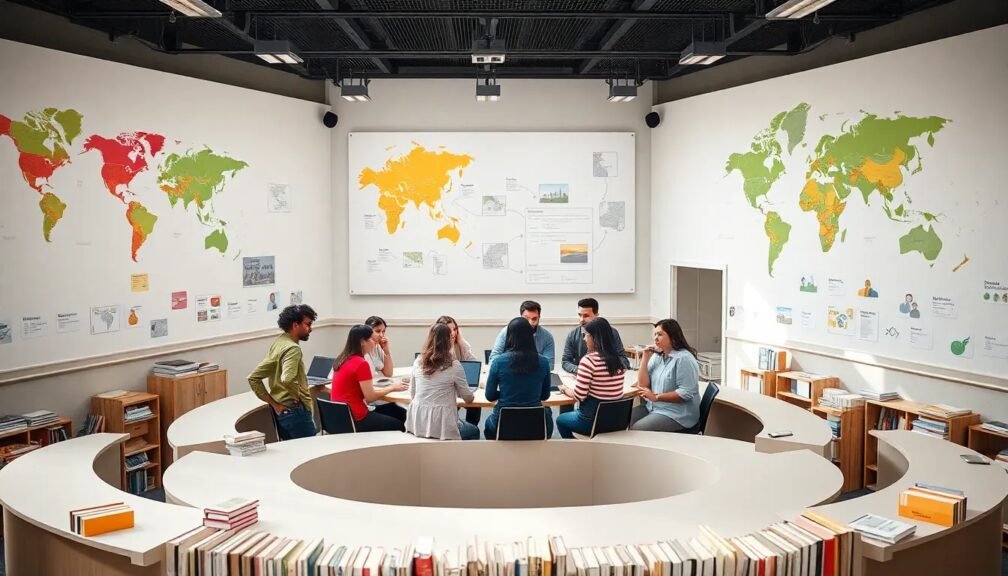
Language immersion is an educational technique where learners are surrounded by the language they are studying. This could involve traveling to a country where the language is spoken or participating in structured programs that provide a bilingual environment. The key idea is that by engaging with the language in real-life contexts, learners acquire linguistic skills more naturally and intuitively.
The Mechanics of Language Immersion
When students are placed in an immersive environment, they hear, speak, and interact using the target language daily. This constant exposure includes:
- Conversational Practice: Interacting with native speakers to develop real-world speaking skills.
- Contextual Learning: Understanding vocabulary and grammar through context rather than rote memorization.
- Cultural Insight: Gaining an appreciation for idiomatic expressions, social nuances, and cultural references.
Through these methods, learners begin to think and feel in the new language, a crucial step toward fluency.
The Benefits of Language Immersion
1. Accelerated Language Acquisition
Research shows that language immersion leads to quicker language acquisition compared to traditional classroom settings. Learners who are immersed in a language environment often experience rapid improvements in speaking, listening, reading, and writing skills.
2. Enhanced Pronunciation and Accent
Being surrounded by native speakers helps learners pick up accurate pronunciations. Mimicking native intonations and accent patterns in real-time helps create a more authentic language experience, which is often challenging to replicate in a classroom setting.
3. Increased Cultural Awareness
Understanding a language involves more than just vocabulary and grammar; it also encompasses cultural context. Language immersion exposes students to local customs, traditions, and community interactions, which can greatly enrich their language-learning experience.
4. Boosted Confidence
Using the language in real-life situations can bolster confidence. When learners see how quickly they adapt and communicate effectively, they build self-esteem, encouraging further practice and use of the language.
Implementing Language Immersion at Home
1. Create an Immersive Environment
If traveling abroad isn’t feasible, there are many ways to simulate a language immersion experience at home. Here are several effective strategies:
- Change Device Settings: Switch your phone, social media, and other digital devices to the target language.
- Bilingual Media Consumption: Watch films or series, listen to music, or read books in the target language. Platforms like Netflix offer options for subtitles in various languages, making it easier to follow along.
- Language Exchange: Connect with native speakers through language exchange apps or community groups. This offers valuable conversational practice.
2. Schedule Regular Practice
Consistency is key in language learning. Set aside dedicated time each day for immersive practices. This might include:
- Daily Speaking Exercises: Spend 15-30 minutes speaking with a language partner or using language apps that emphasize conversation.
- Join Local Meetups: Participate in local clubs or events where the target language is spoken, such as dance classes or cooking workshops.
3. Engage with Cultural Experiences
Understanding culture is a vital part of language fluency. Participate in cultural events, cooking classes, or music festivals related to the target language. Exploring cuisine through cooking can also significantly enhance vocabulary while providing a fun and engaging learning experience.
Choosing the Right Language Immersion Program
If you opt for a structured language immersion program, it’s essential to select one that aligns with your objectives. Here are some factors to consider:
1. Program Type
- Short-Term vs. Long-Term: Determine if you prefer a short, intensive experience or a longer program that allows gradual integration.
- Class Size: Smaller classes often offer personalized attention, enhancing the learning experience.
2. Location
Research locations that provide a rich language environment. Countries with diverse linguistic heritage can offer deeper insights into the culture, enhancing your learning experience.
3. Curriculum Focus
Choose a program that incorporates real-life practice rather than just textbook learning. Ideally, it should balance classroom instruction with off-site activities that reinforce language skills in context.
Overcoming Challenges in Language Immersion
1. Initial Difficulty
Many learners experience a steep learning curve when they first start. It’s common to feel overwhelmed, but this is part of the learning process. Embrace mistakes as a valuable aspect of language immersion.
2. Limited Vocabulary
At the beginning of your language immersion journey, it might feel challenging to express yourself. Focus on building your vocabulary around everyday topics. Practice using new words and phrases regularly to facilitate retention.
3. Cultural Barriers
Navigating cultural differences can pose challenges. Approach these differences with an open mind and a willingness to learn. Engaging with locals will serve as an invaluable education in nuanced communication.
Conclusion: Actionable Insights for Successful Language Immersion
Language immersion is a powerful tool for achieving fluency and cultural understanding in a new language. Whether through travel, structured programs, or home practices, the possibilities for immersion are vast. Here are some actionable steps to take:
-
Create an Immersive Environment: Change device settings, consume media in the target language, and practice with native speakers.
-
Schedule Consistent Practice: Dedicate daily time for speaking, listening, and engaging in cultural experiences.
-
Opt for Structured Programs: If possible, choose program options that prioritize real-life practice and cultural exposure.
-
Embrace Mistakes: Understand that initial challenges are a normal part of the learning journey.
By taking these steps, you can harness the full potential of language immersion, paving the way for a fluent and culturally enriched language experience. The journey may be challenging, but the rewards of global communication and cultural understanding are well worth it!