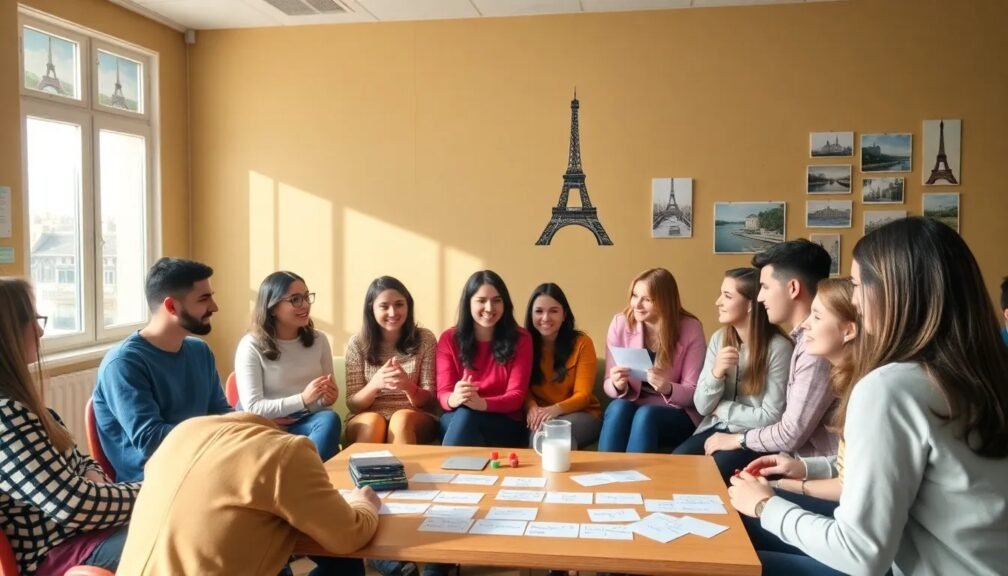
Are you dreaming of strolling through the scenic streets of Paris, indulging in delectable French cuisine, or conversing effortlessly with locals in a charming café? If so, attending a French language school may be your best path to fluency. Immersive learning environments are designed to enhance your linguistic skills by surrounding you with the language and culture. In this article, we’ll explore the benefits of immersive learning, what to expect from a French language school, and how to choose the right program for your needs.
Understanding Immersive Learning
What is Immersive Learning?
Immersive learning is a technique that integrates real-world experiences into the learning process. In the context of a French language school, this means being surrounded by the French language and culture at every turn. From listening to native speakers to participating in discussions, trends, and local customs, immersion deepens your understanding of the language.
Why Choose Immersion?
- Accelerated Learning: Immersive environments force you to practice daily, significantly increasing your retention and fluency.
- Cultural Insights: Language and culture are intertwined, so learning French in France offers unparalleled cultural experiences.
- Practical Usage: You’ll often find yourself using French in real-life situations, which builds confidence and proficiency.
Benefits of Attending a French Language School
A Customized Learning Experience
Most French language schools offer tailored programs that fit your skill level and learning goals. Whether you’re a complete beginner or looking for advanced conversation skills, there’s something for everyone.
Professional Instructors
Most immersive programs employ qualified instructors who are native speakers. These educators understand the nuances of the language and can guide you through the complexities of grammar, pronunciation, and conversational cues.
Peer Interaction
One of the greatest benefits of a French language school is interacting with fellow students. Engaging in discussions and group activities helps reinforce your learning and fosters a sense of community, turning classmates into friends and study partners.
What to Expect from a French Language School
Course Structure
Many French language schools offer courses ranging from intensive full-time studies to part-time evening classes. Here’s what you might encounter in a typical structure:
- Classes: Focused on reading, writing, speaking, and listening. Expect a mix of grammar and vocabulary exercises followed by practical applications.
- Cultural Workshops: These may include cooking classes, local art appreciation, or guided city tours, all conducted in French.
- Language Exchange: Many programs include opportunities to practice with local French speakers. This builds confidence and fluency in casual conversation.
Resources and Facilities
A quality French language school will provide you with a range of resources:
- Learning Materials: Textbooks, digital resources, and audio-visual aids tailored for various learning levels.
- Classrooms: Interactive environments equipped with technology to enhance the learning process.
- Study Areas: Quiet spaces for individual study or group discussions.
Choosing the Right French Language School
Location Matters
Consider where you want to study. Large cities like Paris, Lyon, or Nice immerse you in vibrant cultural experiences but may be more expensive. Smaller towns may offer more personalized settings at a lower cost but with fewer attractions.
Accreditation and Reputation
Research the school’s history and reputation. Look for positive reviews and testimonials from past students. Schools accredited by recognized organizations often maintain high teaching standards.
Flexibility in Learning
Does the school offer flexible schedules, such as evening or weekend classes? Check if you can start at your proficiency level and progress at your own pace.
Additional Activities
Explore if the school offers extracurricular activities—such as excursions, cultural events, and workshops—all designed to enhance your learning experience.
Immersive Learning: Beyond the Classroom
Real-Life Experiences
While formal education is essential, real-life experiences are crucial for developing fluency. Consider participating in community events, volunteering, or forming friendships with locals. This will allow you to practice speaking in a natural setting, helping to solidify your skills.
Media and Culture
Engage with French films, music, books, and news. These resources provide an excellent way to hear how the language is used informally, as well as understand cultural references.
Travel
If possible, travel around France. Each region has its own dialects and cultural nuances, which provides invaluable opportunities for learning.
Setting Realistic Goals for Fluency
Short-Term and Long-Term Objectives
Define what fluency means to you—whether that’s being able to hold a conversation, read literature, or write an essay. Setting specific, measurable, achievable, relevant, and time-bound (SMART) goals can keep you motivated and focused.
Daily Practice
Make a commitment to practice every day, even if only for a short time. Use language apps, flashcards, or even social media platforms to engage with French content.
Seek Feedback
Regularly seek feedback from your instructors or peers. Constructive criticism can help you hone your skills and improve where necessary.
Conclusion
Choosing to enroll in a French language school is not just about learning a new language; it’s about experiencing a vibrant culture and becoming part of a community. The immersive learning environment, coupled with professional instruction and practical application, paves the way to fluency.
Actionable Insights
- Research Schools: Look into various French language schools, comparing locations, accreditation, and course offerings.
- Set Goals: Determine what you want to achieve and establish both short-term and long-term goals.
- Engage Actively: Participate fully in all activities offered by the school for a richer experience.
- Immerse Yourself: Beyond the classroom, dive into the culture by interacting with locals, watching French films, and reading French literature.
Your journey to fluency in French awaits, filled with endless discoveries and adventures. Bon voyage!