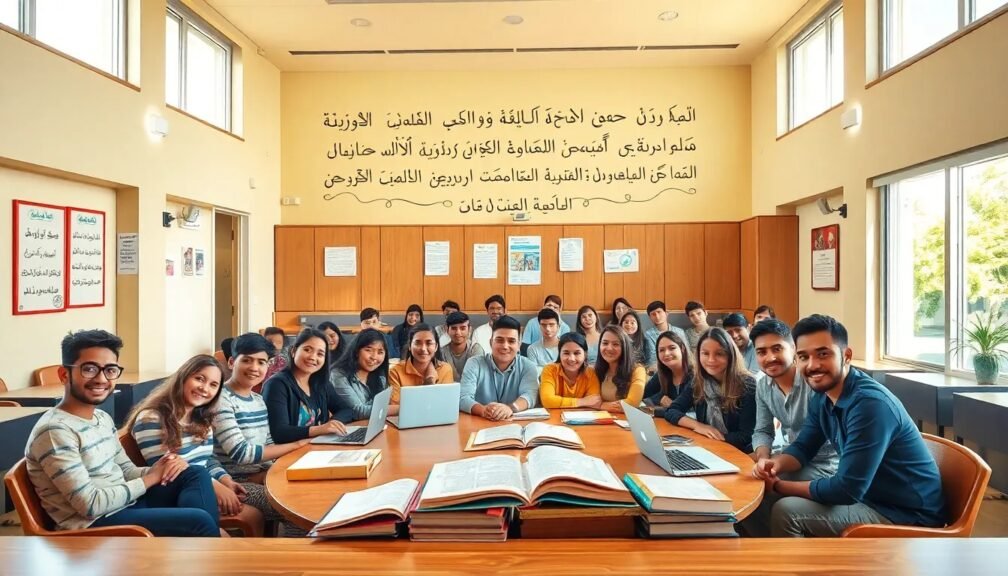
Are you intrigued by the beauty of the Arabic language? Whether you’re considering for personal growth, professional enhancement, or cultural appreciation, enrolling in an Arabic language school could be one of the most rewarding decisions you’ll ever make. Given Arabic’s rich history, deep cultural roots, and significance in various global contexts, learning the language not only opens up communication avenues but also enhances your understanding of civilizations.
Why Learn Arabic?
1. A Language of Influence
Arabic is one of the most widely spoken languages in the world, with over 300 million native speakers. It is the official language in 22 countries, including Egypt, Saudi Arabia, and the United Arab Emirates. Learning Arabic enables you to connect with a vast array of cultures and communities, enhancing your ability to engage in discussions about politics, religion, art, and history.
2. Professional Opportunities
In today’s interconnected world, professionals who can speak Arabic often find themselves in high demand. Industries such as diplomacy, finance, and tourism seek Arabic speakers. By attending an Arabic language school, you not only learn the intrinsic aspects of the language but also our acquire skills tailored toward specific career paths.
3. Cognitive Benefits
Learning a new language has been proven to enhance cognitive functions. It improves memory, problem-solving skills, and even creativity. Arabic, with its unique script and syntax, offers mental challenges that can boost your brain power and agility.
Choosing the Right Arabic Language School
Selecting the right Arabic language school is crucial to your language learning journey. Here are factors to consider:
1. Course Offerings
Check what courses are available. Some schools may specialize in Modern Standard Arabic, while others focus on dialects such as Egyptian or Levantine Arabic. Ensure that the curriculum suits your goals, whether they are for travel, business, or academic purposes.
2. Experienced Instructors
The quality of instruction can significantly impact your learning experience. Look for schools with qualified teachers who have experience teaching non-native speakers. Instructors should not only understand the Arabic language but also the unique challenges learners face.
3. Flexible Learning Modalities
In today’s dynamic world, flexibility is crucial. Check if the school offers a variety of learning modalities—online classes, in-person courses, or evening/weekend classes to accommodate your schedule.
4. Cultural Immersion
Learning a language isn’t just about vocabulary and grammar; it’s about culture too. Seek schools that incorporate cultural elements into their curriculum, such as local traditions, culinary arts, and social etiquette, which can deepen your understanding and appreciation of the language.
Curriculum Structure
Most Arabic language schools follow a structured curriculum tailored to various proficiency levels—from beginner to advanced. Here’s what you can expect:
Beginner Level
At this stage, you’ll learn the Arabic alphabet and foundational vocabulary. Basic conversational phrases and essential grammar will form the core of your studies. The focus is on building confidence in speaking, listening, reading, and writing.
Intermediate Level
Once you grasp the fundamentals, the curriculum typically includes more complex grammar, expanded vocabulary, and conversational practice in real-life scenarios. You might start reading simple articles and writing basic essays to reinforce your learning.
Advanced Level
For advanced learners, the focus shifts to nuanced conversation, literature, and specialized topics, such as business Arabic. You may also engage in discussions about contemporary issues, enhancing both your language skills and cultural knowledge.
Learning Resources
Your journey doesn’t have to start and end in the classroom. Here are some additional resources to enrich your experience:
Online Platforms
There are numerous online platforms offering Arabic lessons, practice exercises, and conversation partners. Websites like Duolingo, Rosetta Stone, and even language exchange partners can provide supplementary support to your learning process.
Mobile Apps
Apps like Memrise and HelloTalk offer on-the-go language practice and interactive learning experiences. These tools can help reinforce what you learned in class, making it easier to practice in everyday situations.
Books & Media
Explore Arabic books, films, and music. Engaging with various media helps improve your language skills and offers insights into the cultural context behind the language. Consider subscribing to Arabic-speaking podcasts or Youtube channels for additional exposure.
The Role of Community in Learning
1. Language Exchange
Join local language exchange meet-ups or forums. These provide a platform to practice your skills with both native speakers and fellow learners, enhancing fluency and confidence in real-world conversations.
2. Cultural Events
Attend cultural events or workshops organized by your Arabic language school or local community. Participating in such activities can provide insight into the rich cultural tapestry of Arabic-speaking countries.
3. Social Media Groups
Leverage social media for language learning. Join groups or forums focused on learning Arabic—they often share valuable resources, tips, and support among learners.
Overcoming Challenges
Learning a new language can be daunting, and Arabic, with its unique script and phonetics, poses its own set of challenges. Here are a few strategies to overcome them:
1. Set Realistic Goals
Break your learning journey into small, manageable goals. Instead of aiming for fluency immediately, focus on mastering daily conversation topics or acquiring new vocabulary each week.
2. Consistent Practice
Consistency is key in language learning. Set aside a dedicated time each day for practice, whether through lessons, conversational exchanges, or interactive exercises.
3. Stay Curious and Engaged
Cultivating a genuine interest in Arabic culture, history, and literature will keep you motivated. Explore various facets of the Arabic-speaking world to make your learning experience enjoyable.
Conclusion: Your Language Learning Journey Awaits
Embarking on the journey to learn Arabic is not just about acquiring a new skill; it’s about exploring a rich linguistic and cultural landscape that connects you to millions around the world. Choosing the right Arabic language school is the first step towards achieving your language goals.
As you dive into this exciting journey, remember the importance of consistent practice, cultural immersion, and community engagement. With the right resources and mindset, you’ll find your experience in learning Arabic to be not only educational but also transformational. So why wait? Start your Arabic language journey today and unlock a world of opportunities and connections!