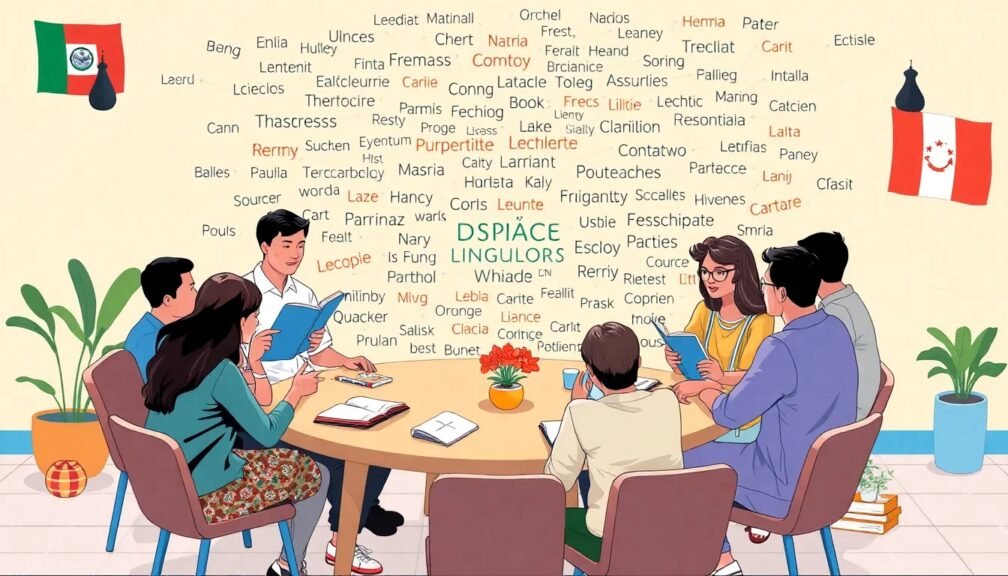
In today’s globalized world, the ability to communicate effectively in multiple languages is more important than ever. As we step into 2026, educators face the challenge of ensuring that language teaching methods evolve to meet the demands of an increasingly interconnected society. Traditional language teaching methods often fall short in promoting genuine communication skills, leaving students with theoretical knowledge but little practical ability. This is where Communicative Language Teaching (CLT) steps in, offering a dynamic and interactive approach to language education that prioritizes real-world communication over rote memorization.
Imagine a classroom where students are not merely passive recipients of grammar rules but active participants in conversations that mirror real-life scenarios. This is the promise of CLT: creating an environment where language learning is not just academic but practical and engaging. Educators worldwide are seeking actionable strategies to implement CLT effectively, ensuring that students are not only learning a language but becoming proficient communicators.
In this article, we will delve into the principles of CLT, explore the benefits it offers to both teachers and students, and provide a comprehensive guide to classroom activities that can transform your language teaching approach. As we navigate the evolving landscape of education in 2026 and beyond, embracing CLT can be a game-changer for anyone committed to fostering true linguistic competence.
Why This Problem Happens / Why This Topic Matters
- Traditional Methods Limit Interaction: Many traditional language teaching approaches focus heavily on grammar and vocabulary, often neglecting the development of communicative competence.
- Globalization Demands Communication: In a global economy, effective communication in multiple languages is crucial for personal and professional success.
- Student Engagement: Methods that do not prioritize communication can lead to disengagement and lack of motivation among students.
- Adaptability: CLT offers a flexible framework that can be adapted to various languages and cultural contexts, making it a universal tool for educators.
Step-by-Step Core Guide / Main Solutions
Understanding the Principles of CLT
Communicative Language Teaching is grounded in the theory that language learning is most effective when students are engaged in communication. This principle works because it mirrors natural language acquisition processes, emphasizing interaction as a means and an endpoint of learning.
Designing Interactive Activities
Craft activities that require students to use language in meaningful ways. Role-plays, interviews, and group projects are excellent options. These activities work because they simulate real-life communication, encouraging students to think and respond spontaneously.
Incorporating Authentic Materials
Use real-world materials such as news articles, podcasts, and videos. These resources expose students to natural language usage and cultural nuances, making learning more relatable and engaging.
Encouraging Group Work
Group activities foster collaboration and peer learning. They work because they create a low-pressure environment where students can practice language skills with their peers.
Fostering a Safe Learning Environment
Create a classroom atmosphere where mistakes are viewed as learning opportunities. This approach works because it reduces anxiety and encourages students to experiment with the language.
Utilizing Technology
Integrate language learning apps and online platforms that offer interactive exercises and instant feedback. Technology works by providing diverse practice opportunities and accommodating different learning paces.
Providing Constructive Feedback
Offer specific, actionable feedback that students can use to improve. This technique works because it guides students in refining their language skills and building confidence.
Assessing Communicative Competence
Develop assessment strategies that evaluate students’ ability to communicate effectively rather than just their grammatical knowledge. This approach works because it aligns evaluation with the goals of CLT.
Implementing Task-Based Learning
Design tasks that require students to use language to solve problems or complete projects. This method works because it emphasizes practical use over theoretical knowledge.
Encouraging Self-Reflection
Prompt students to reflect on their learning experiences and progress. Self-reflection works by fostering a growth mindset and encouraging lifelong learning.
Integrating Cultural Contexts
Incorporate cultural lessons that enhance students’ understanding of language use in different contexts. This strategy works because language and culture are inherently linked.
Professional Development for Educators
Engage in ongoing training and workshops on CLT methodologies. Professional development works by equipping teachers with the latest strategies and insights in language education.
Pro Tip: Regularly update your curriculum to incorporate the latest technological advancements and cultural trends, keeping language learning relevant and engaging for students.
Advanced Optimization / Expert Tips
- Leverage AI Tools: Use AI-powered language learning tools to personalize instruction and provide adaptive learning experiences.
- Collaborate with Native Speakers: Facilitate virtual exchanges with native speakers to offer students authentic conversational practice.
- Incorporate Gamification: Introduce game-based learning to increase motivation and engagement through competition and rewards.
- Focus on Emotional Intelligence: Teach students how to express emotions and navigate social nuances in the target language, enhancing their communicative competence.
Long-Term Maintenance / Best Practices
- Regularly update teaching materials to reflect current language trends and cultural events.
- Encourage students to engage with language outside the classroom through media and social interactions.
- Foster a classroom culture that values diversity and inclusivity.
- Continuously assess and adjust teaching strategies based on student feedback and learning outcomes.
- Promote lifelong language learning as a personal and professional asset.
Frequently Asked Questions
What is Communicative Language Teaching (CLT)?
Communicative Language Teaching is an educational approach that emphasizes interaction as the main method and goal of language learning. It focuses on helping students develop communicative competence in real-world contexts.
How does CLT differ from traditional language teaching methods?
Unlike traditional methods that prioritize grammar and vocabulary, CLT emphasizes the practical use of language in communication. It involves interactive activities that mimic real-life situations.
What are some effective classroom activities for CLT?
Effective CLT activities include role-plays, group discussions, interviews, and project-based learning. These activities encourage students to use language interactively and practically.
Can CLT be used for all languages?
Yes, CLT is adaptable to any language and can be customized to fit different cultural contexts and language levels.
Why is cultural context important in CLT?
Understanding cultural context enhances language learning by providing insight into how language is used in different social situations. It helps students communicate more effectively and appropriately.
Conclusion
Communicative Language Teaching offers a transformative approach to language education, equipping students with the skills they need to navigate a multilingual world confidently. By implementing the principles and activities outlined in this guide, educators can create a dynamic learning environment that fosters true communicative competence. As we advance into the future, embracing CLT will not only enhance language learning outcomes but also prepare students for success in an increasingly interconnected global community. Regularly integrating these strategies into your teaching practice will ensure that language education remains relevant and impactful for years to come.