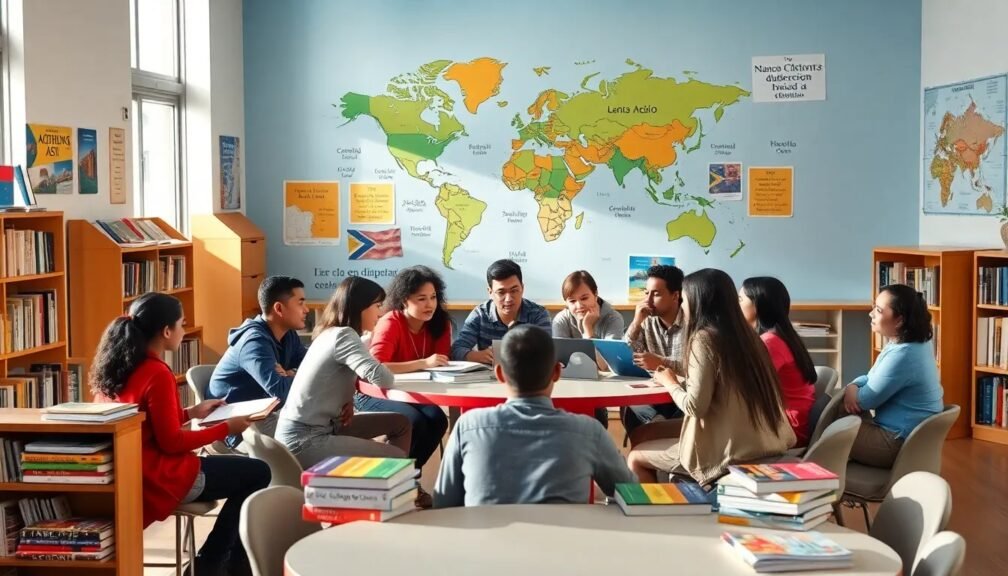
In today’s globalized world, language travel has emerged as a popular way to learn new languages while experiencing different cultures firsthand. Imagine learning Spanish in a bustling market in Mexico, practicing French at a local café in Paris, or mastering Mandarin while walking through the historic streets of Beijing. Language travel offers an unparalleled opportunity to dive into the depths of a language and its associated culture. This article will provide top tips to ensure your language travel experience is immersive, enriching, and memorable.
Understanding Language Travel
What is Language Travel?
Language travel, as the name suggests, is the practice of traveling to a country where a certain language is predominantly spoken to enhance language skills. This approach not only involves formal language instruction, often in schools or through private tutors, but also emphasizes daily interactions in real-life situations. By engaging with locals, travelers can reinforce their language learning while gaining valuable cultural insights.
Why Choose Language Travel?
There are countless reasons to embrace language travel. Beyond the obvious linguistic benefits, here are some compelling arguments for stepping out of your comfort zone:
- Real-World Practice: Engaging with native speakers helps solidify language skills.
- Cultural Immersion: Learning a language in its cultural context provides a richer experience.
- Networking Opportunities: You expand your circle, creating lasting friendships around the globe.
- Tangible Memories: You forge memories that serve as stories for a lifetime.
Tips for Maximizing Your Language Travel Experience
To make the most of your language travel journey, consider the following actionable tips that ensure immersion and engagement.
1. Choose the Right Destination
Your destination plays a critical role in your language learning journey. Research countries where your target language is spoken predominantly, and consider factors like cost of living, safety, the local dialect, and cultural interests. For example, if you’re keen on learning Italian, cities like Florence or Rome are ideal due to their rich culture and historical significance.
2. Enroll in a Language School
While self-study is commendable, enrolling in a reputable language school offers structured learning and accountability. Look for schools with experienced teachers, small class sizes, and immersive programs that might include cultural outings and activities.
3. Engage with Locals
Nothing beats real-life practice. Make a conscious effort to connect with locals. Whether it’s striking up a conversation at a café, joining a community event, or volunteering, these interactions offer practical language experience.
4. Embrace Effective Learning Tools
Utilize technology and learning apps, such as Duolingo, memrise, or Babbel, to enhance your language skills. These apps can help you remain consistent in your learning journey even while you are traveling.
5. Participate in Cultural Activities
Immerse yourself in the local culture through cooking classes, dance lessons, or art workshops. Such activities not only bolster your language skills but also provide a unique insight into the tradition and lifestyle of the community.
6. Stay with a Host Family
Opting for homestays can significantly enhance your language travel experience. Living with a host family allows you to practice language skills daily while experiencing authentic home life. It’s a two-for-one deal: language practice and a glimpse into local customs and lifestyles.
7. Keep a Language Journal
Maintain a journal throughout your journey. Jot down new vocabulary, phrases, and experiences. This practice reinforces learning and serves as a wonderful keepsake of your adventures.
8. Attend Local Events and Festivals
Local events and festivals often showcase the essence of a culture. Attend concerts, art exhibitions, or religious ceremonies. The vibrant atmosphere can encourage conversation and help improve your language skills in spontaneous settings.
9. Set Realistic Goals
It’s essential to set achievable language goals. Rather than aiming for complete fluency, focus on learning phrases relevant to your daily needs and interests. Celebrate small victories, like successfully navigating a market or ordering in a restaurant.
10. Take Time for Reflection
After each day, spend a few minutes reflecting on your experiences and learnings. This practice can help solidify new information and provide insight into areas that require further attention.
Common Challenges in Language Travel
While language travel is fun and incredibly rewarding, it isn’t without its challenges. Recognizing and preparing for potential obstacles can lead to a smoother experience.
Culture Shock
Experiencing cultural differences can lead to feelings of isolation or discomfort. Acknowledge these feelings, understand they are natural, and immerse yourself in different activities to ease the transition.
Language Barriers
Initial conversations might be daunting, especially if you lack confidence. Start slow by practicing greetings and simple phrases. Use gestures when words fail; communication takes many forms.
Financial Considerations
Language travel can be pricey, especially if you opt for classes and accommodations. Budgeting and researching are crucial before you leave. Look for language schools that offer scholarships or financial aid options.
Concluding Thoughts
Language travel is a beautiful blend of adventure, education, and cultural exploration. By choosing the right destination, immersing yourself in the local culture, and engaging with native speakers, you can elevate your language learning to new heights.
Remember that the journey itself is as important as the end goal. Every conversation, every new phrase learned, contributes to your overall tapestry of understanding. Set realistic expectations, lean into experiences, and, most importantly, enjoy the journey of language travel.
So pack your bags, grab your phrasebook and a sense of adventure. The world is waiting for you to discover its languages and cultures—one meaningful conversation at a time!