In today’s fast-paced world, the ability to read proficiently is more crucial than ever. Reading isn’t just about recognizing words; it’s about comprehension, critical thinking, and the ability to engage with information critically. For many children, mastering these reading skills can be challenging, which is where reading skills classes come into play. These classes not only help kids overcome obstacles but also unlock their potential, setting them up for a successful academic future.
Why Reading Skills Matter
Effective reading skills are foundational for lifelong learning. Whether it’s understanding complex scientific texts, interpreting literature, or even following instructions, reading is a fundamental skill that plays a vital role in a child’s education.
The Importance of Early Literacy
Early literacy skills lay the groundwork for a child’s academic journey. According to the National Assessment of Educational Progress, children who read well by the third grade are more likely to succeed in school and beyond. Conversely, children who struggle with reading may face challenges in other subjects as well.
By enrolling your child in dedicated reading skills classes, you can instill a love for literature while improving their reading proficiency. These classes focus not only on the mechanics of reading but also on engaging children in a way that makes learning enjoyable.
Types of Reading Skills Classes
There are several types of reading skills classes designed to cater to the various needs of children:
1. Phonics-Based Classes
Phonics-based classes focus on decoding words through sound. Children learn how to sound out letters and combine them to form words. This method is particularly effective for younger children, setting a solid foundation for spelling and reading fluency.
2. Comprehension and Analysis Classes
Once basic reading skills are established, the next step is comprehension. These classes emphasize understanding the material beyond just the words on a page. Students learn how to analyze texts, identify themes, and understand deeper meanings.
3. Reading Enjoyment and Engagement Classes
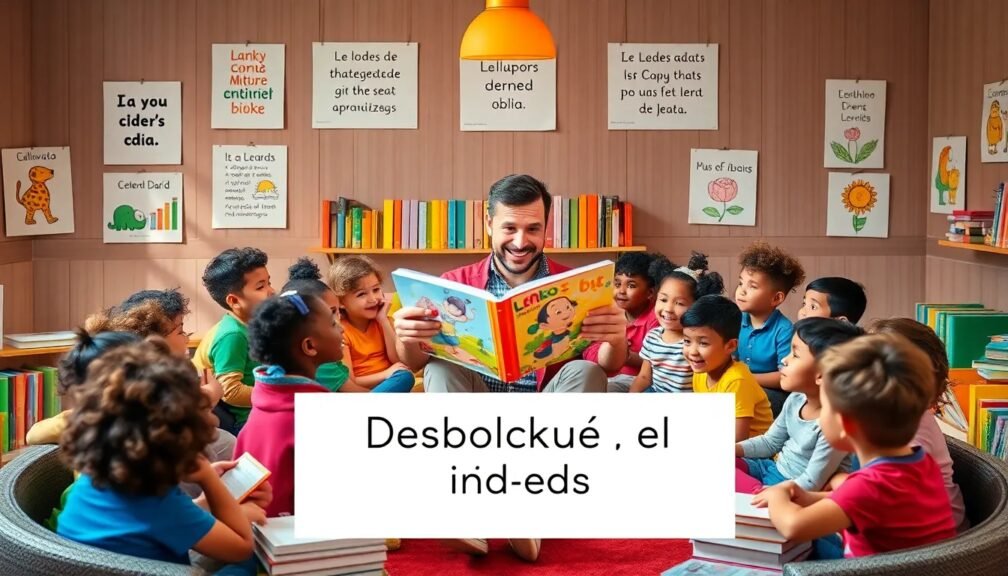
Classes aimed at fostering a love of reading help cultivate a positive attitude toward literature. These classes typically include interactive story sessions, group discussions, and book clubs to encourage children to share their thoughts and feelings about what they read.
4. Specialized Learning Classes
Some children may require tailored instruction due to learning disabilities such as dyslexia or ADHD. Specialized reading skills classes employ unique strategies to accommodate different learning styles, providing additional support and resources.
Benefits of Reading Skills Classes
Enrolling your child in reading skills classes offers an array of benefits that extend far beyond just improving reading ability:
1. Boosted Confidence
Improving reading skills can significantly enhance a child’s self-esteem. When children see progress, whether through improved grades or newfound enthusiasm for reading, their confidence and willingness to participate in class naturally increases.
2. Personalized Attention
In many reading skills classes, student-to-teacher ratios are lower compared to traditional classrooms. This allows for personalized attention, helping children work at their own pace while receiving the guidance they need.
3. Social Skills Development
Group-based reading activities encourage children to work together, share ideas, and develop important social skills. Engaging in discussions about stories allows them to articulate thoughts and listen to others, contributing to their emotional and social development.
4. Bridging Knowledge Gaps
Every child learns differently, and some may struggle with particular aspects of reading. Reading skills classes target specific deficiencies, providing supplemental education that helps bridge knowledge gaps.
5. Lifelong Learning Habits
Perhaps one of the most significant benefits is the cultivation of lifelong learning habits. When a child develops a positive relationship with reading, they are more likely to pursue knowledge independently, fostering curiosity and a desire to learn.
What to Look for in a Reading Skills Class
Finding the right reading skills class for your child is essential. Keep these factors in mind:
Instructor Qualifications
Ensure that instructors are qualified and experienced in teaching reading. Look for certifications or degrees in education or specialization in literacy.
Curriculum Focus
Consider what curriculum the class uses. A good program should cover phonics, comprehension, and engagement.
Class Size
Smaller class sizes often lead to better individualized instruction and more opportunities for interaction.
Reviews and Recommendations
Look for reviews and recommendations from other parents. First-hand experiences can provide invaluable insight into the effectiveness of the program.
Flexibility and Availability
Choose a class that fits your schedule. Flexibility can ease the pressure on both you and your child.
How to Support Your Child at Home
Enrolling in reading skills classes is just one part of the solution. Here are several tips on how you can support your child at home:
1. Create a Reading Routine
Establish a daily reading time. Consistency is key! Whether it’s before bed or after school, having a specific time helps reinforce the importance of reading.
2. Provide Access to Books
Create a mini-library at home. Include a variety of genres and reading levels to allow your child to explore different areas of interest.
3. Discuss What They Read
Encourage your child to share their thoughts about the stories they read. Ask open-ended questions to promote critical thinking and comprehension.
4. Model Reading Behavior
If children see their parents valuing reading, they are more likely to do so too. Share your own reading experiences and invite them to join in.
5. Use Technology
In today’s digital age, numerous resources can support reading skills. From eBooks to educational apps, leveraging technology can make reading more engaging.
Conclusion: Take Action Today!
Investing in reading skills classes can transform your child’s academic journey. With early literacy as a priority, you can equip your child with the skills they need to succeed in school and life. Remember to reinforce what they learn in class at home, fostering a robust reading culture.
Don’t wait—take the first step toward unlocking your child’s potential today. Explore local reading skills classes, discuss options with educators, and support your child in developing lifelong reading habits. Together, we can cultivate a generation of enthusiastic and proficient readers!