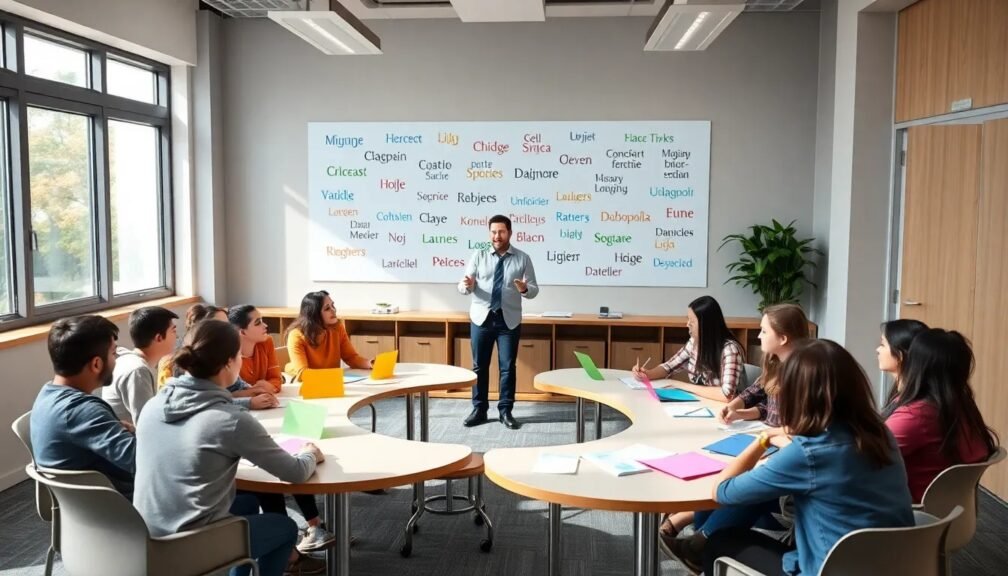
In today’s globalized world, mastering a new language is more than just a requirement; it’s a valuable asset that opens countless doors both personally and professionally. Whether you’re embarking on a journey to learn a new language for travel, work, or social interaction, achieving conversational fluency is one of the most rewarding milestones you can reach. In this article, we will dive into the nuances of language skills training and offer actionable insights on how to elevate your conversational abilities.
Understanding Conversational Fluency
What is Conversational Fluency?
Conversational fluency refers to the ability to communicate effectively and confidently in a language while engaging in spontaneous dialogue. This skill transcends mere vocabulary and grammar rules; it includes comprehension, cultural nuances, and the ability to adapt to different speaking styles.
Why is Conversational Fluency Important?
- Enhances Communication: Effective communication fosters strong relationships, both personally and professionally.
- Boosts Confidence: The ability to engage in conversations naturally increases your confidence in using the language.
- Cultural Connection: Mastering conversational skills allows you to understand cultural contexts better, making interactions more meaningful.
The Importance of Language Skills Training
Language skills training focuses on the practical application of linguistic knowledge. It encompasses various learning methods, making it adaptable to different learning styles. Here’s why investing in language skills training is crucial:
Tailored Learning Paths
Each learner has unique preferences and challenges. Customized language skills training can address individual needs, focusing on areas that require improvement—be it vocabulary, grammar, or pronunciation.
Real-World Application
Traditional learning methods often emphasize textbook knowledge over real-world application. Language skills training incorporates immersive experiences, such as role-playing and conversational practice, which makes learning relevant to everyday life.
Continuous Improvement
Language acquisition is a journey, not a destination. Ongoing language skills training ensures that learners continuously improve, going beyond just memorizing phrases to truly understanding and using language fluidly in context.
Strategies for Mastering Conversational Fluency
1. Engage in Active Listening
Active listening involves fully concentrating, understanding, and responding during conversations. Here are some techniques:
- Listen to Native Speakers: Podcasts, movies, or YouTube videos in the target language can expose you to natural speech patterns.
- Take Notes: Jot down unfamiliar phrases or expressions to research later.
- Paraphrase: Summarize what you’ve heard to reinforce your understanding.
2. Practice Speaking Regularly
Speaking is a crucial component of language skills training. Here are practical approaches to enhance your speaking abilities:
- Language Partners: Find a language partner to practice conversational skills. Platforms like Tandem and HelloTalk can connect you with native speakers.
- Join Conversation Groups: Look for local or online language groups where you can practice speaking in a supportive environment.
- Shadowing Technique: Mimic conversations from movies or shows to improve pronunciation and rhythm.
3. Use Technology to Your Advantage
Incorporating technology into your language skills training can enhance your learning experience. Consider these tools:
- Language Apps: Apps like Duolingo, Babbel, or Memrise provide bite-sized lessons that can be tailored to conversational skills.
- Voice Recognition Tools: Use tools like Google Translate’s voice feature to practice pronunciation and receive instant feedback.
- Online Tutors: Platforms such as iTalki or Preply allow you to schedule lessons with experienced language tutors.
4. Dive into Cultural Contexts
Understanding the cultural aspects of a language can improve your conversational skills. Engage with the culture through:
- Cookbooks and Cuisine: Try cooking traditional dishes while reading recipes in the target language.
- Music and Literature: Explore songs, poems, and stories, analyzing lyrics or themes.
- Travel: Experience the language in its native environment by traveling to countries where it is spoken.
5. Set Specific Goals
Setting clear, achievable goals is essential for structured language skills training. Create SMART (Specific, Measurable, Achievable, Relevant, Time-Bound) goals to guide your progress:
- Daily Practice Goals: Aim for 30 minutes of practice each day, whether speaking, listening, or writing.
- Weekly Vocabulary Targets: Learn and use a certain number of new words each week in conversation.
- Monthly Language Challenges: Plan a conversation with a native speaker or a participation milestone in a language group.
Overcoming Common Challenges
Fear of Mistakes
One of the biggest barriers to mastering conversational fluency is the fear of making mistakes. Remember, errors are a natural part of the learning process. Embrace them as opportunities for growth.
Limited Vocabulary
Many learners struggle with finding the right words in conversation. Expanding your vocabulary through thematic study can help. Focus on learning words and phrases that are relevant to your personal interests and professional needs.
Lack of Confidence
Confidence in speaking comes with practice. Over time, immersing yourself in conversations and positive affirmations can help overcome feelings of inadequacy.
Conclusion: Actionable Insights for Success
Mastering conversational fluency is a rewarding process that requires dedication and the right strategies. By engaging in active listening, regularly practicing speaking, leveraging technology, immersing in cultural contexts, and setting specific learning goals, you can significantly enhance your language skills.
Language skills training is not just about learning a language; it’s about opening doors to new opportunities, building connections, and enriching your life experiences. So take the first step today—embrace the journey to fluency, and watch as your world expands!
By implementing the strategies outlined in this article, you can not only improve your conversational abilities but also gain a deeper understanding of the language and its nuances. Start your language skills training journey now, and transform your ability to communicate effectively and confidently in your target language.